
Representative applications
These industries are representative, not limiting. Automation suitability is determined by the actual workpiece and process conditions.
Industry labels do not decide automation fit by themselves. Share geometry, thickness, joints, inspection requirements, and volume so we can identify which product family and system scope belong in the assessment.

Seven representative sectors

Structural Steel
Robotic welding for beams, columns, reinforcement, and changing structural-steel workpieces.

Construction Machinery & Heavy Equipment
Heavy-plate structural components with demanding welding quality and multi-model production.

Wind Energy
Large welded structures including stator- and rotor-related components in production environments.

Agricultural Machinery
Frames and fabricated parts with frequent model changes and variable production mixes.

Combustion & Flare Equipment
Engineered welding systems for differing project and production conditions.
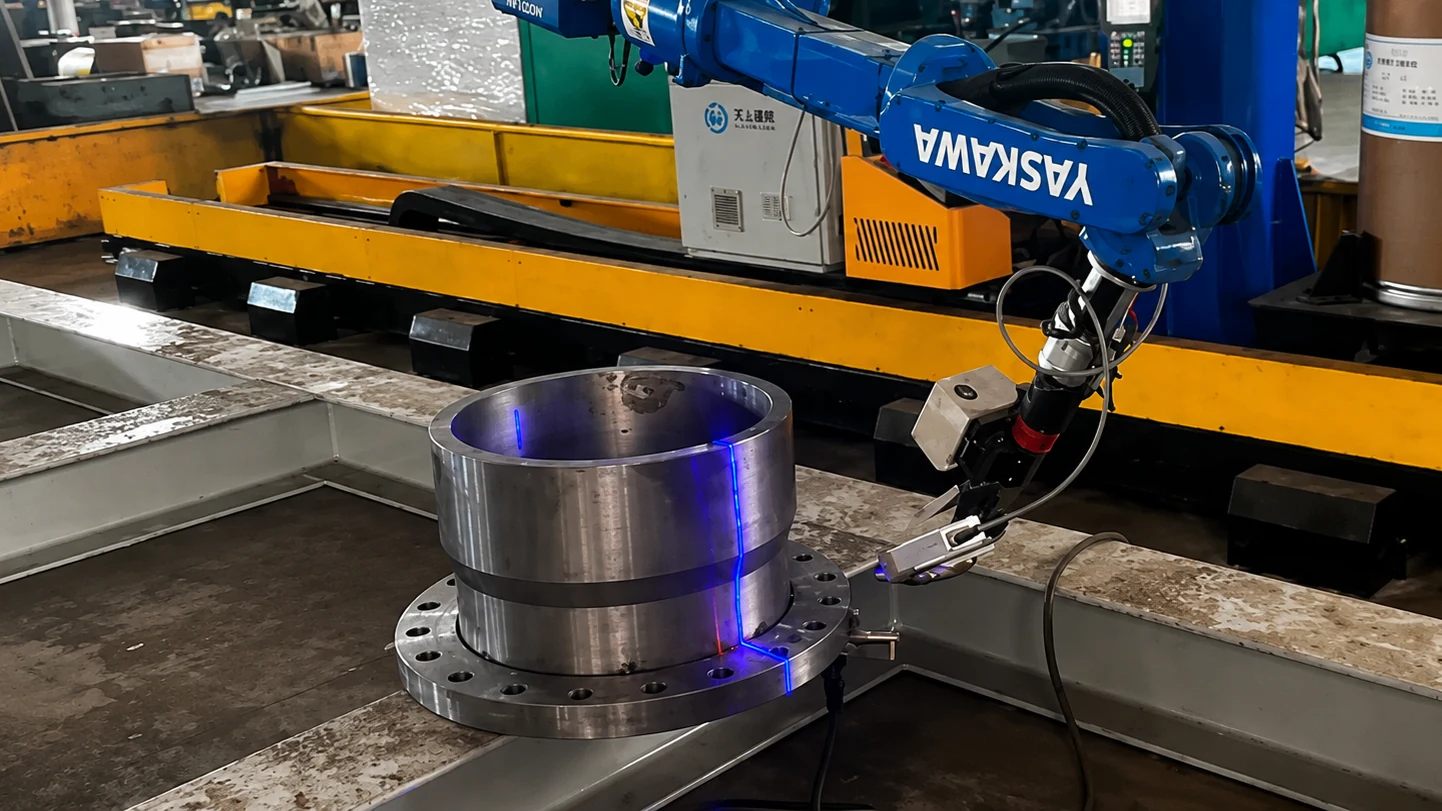
Rail & Rolling Stock
High-mix small welded parts and frequent production changeover.
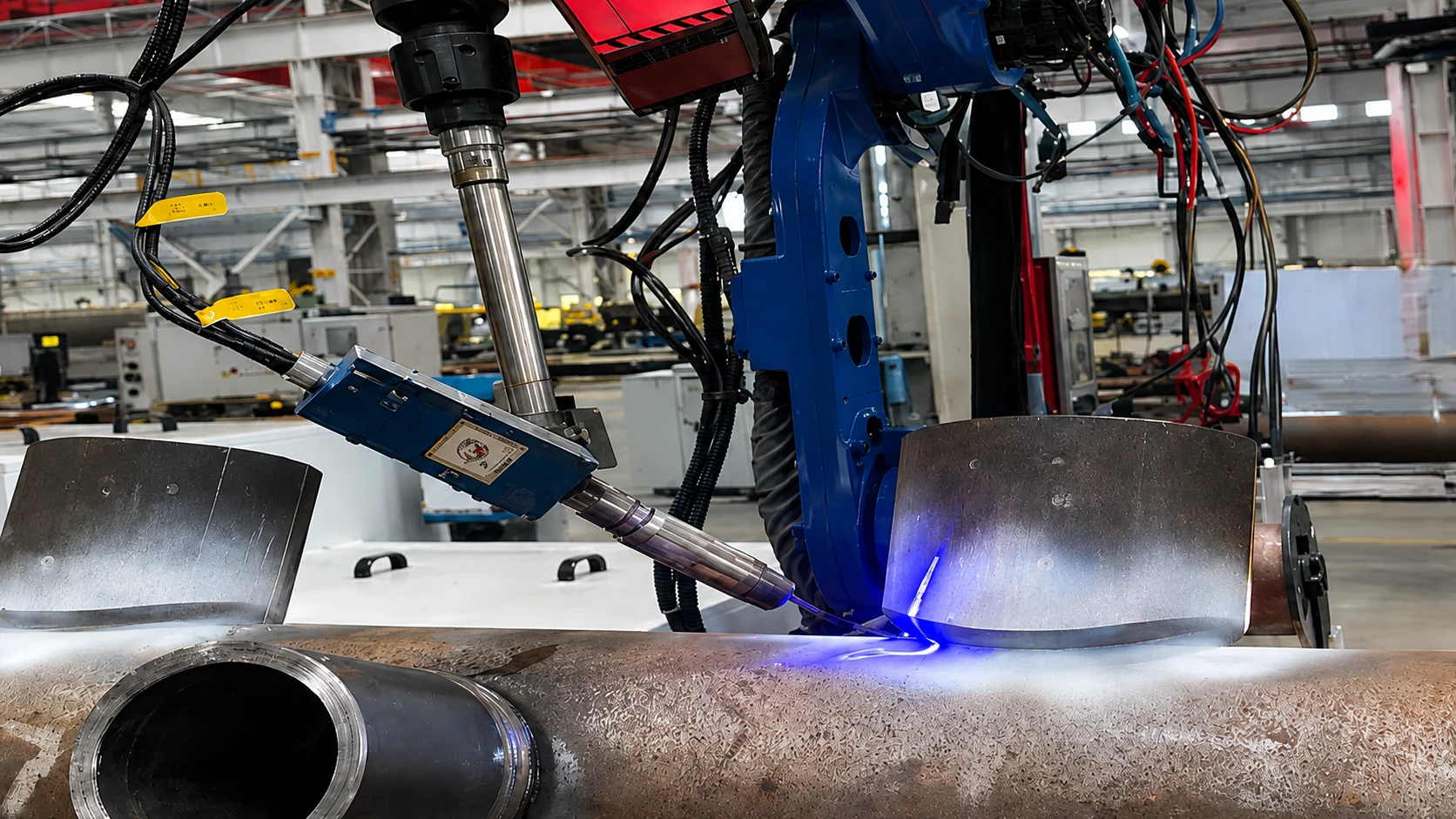
Pressure Vessels & Process Equipment
Automation for complex welded geometries and changing specifications.
Related application pages
In addition to the representative sectors, these supporting application pages are published.
Related cases
Boom and Arm Robotic Welding Line for Construction Machinery
AGR Group factory production line for construction-machinery boom and arm welding.
H-Beam Robotic Welding System Application
Customer-facing application of high-mix robotic welding automation for H-beam fabrication.
Robotic Welding System for Agricultural Machinery Parts
Customer deployment of robotic welding for agricultural machinery components.
Robotic Welding System for Combustion and Flare Equipment
Customer deployments of robotic welding systems for combustion and flare equipment fabrication.
Discuss Your Application
Workpiece geometry, thickness, joints, and volume matter more than industry labels alone.
Request a Technical Assessment